Hair Regrowth Treatment Malaysia: Top Clinics
Leading Hair Regrowth Remedies: Premier Treatments for Denser, Healthier Hair
Hair loss can impact self-confidence and personal wellness. Various treatments exist to address this issue, each providing distinct advantages. Well-known pharmaceutical solutions such as minoxidil and finasteride are celebrated for their effectiveness. Meanwhile, natural remedies and advanced therapies are gaining traction among those seeking alternatives. Understanding the full spectrum of available solutions is essential for making informed choices. Moving forward with researching these treatments could pave the way for a more discover more fulfilling path toward hair regrowth.
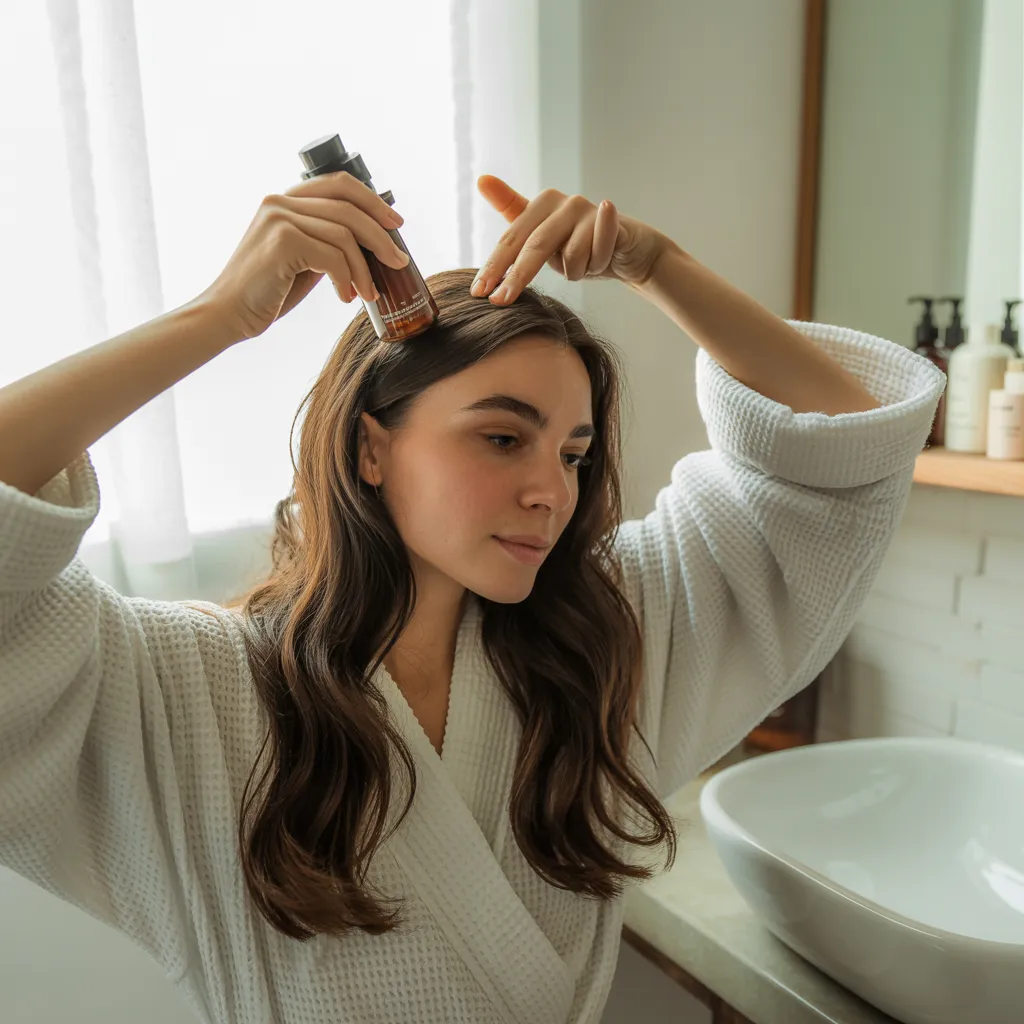
Understanding Hair Loss: Exploring Its Causes and Types
Hair thinning, a widespread issue affecting many people, can greatly impact an individual's self-esteem and overall quality of life. Recognizing its origins and classifications is essential for tackling this problem successfully. Hereditary elements, like androgenetic alopecia, are a major contributor to male and female pattern baldness. Hormonal fluctuations, commonly observed during pregnancy or menopause, can likewise lead to hair thinning. Additionally, health conditions such as thyroid disorders and autoimmune diseases can be contributing factors to hair loss.
External influences, like poor nutrition, chronic stress, and chemical exposure, can exacerbate the problem. Moreover, specific hairstyles that strain the hair can result in traction alopecia. Identifying the nature of hair loss—including gradual receding, diffuse thinning, or patchy loss—supports a more effective treatment approach. Recognizing these subtleties is fundamental for individuals aiming to handle their hair loss with precision.
What Are the Best Topical Hair Regrowth Treatments?
What are the most effective topical treatments for hair regrowth? Minoxidil is widely recognized as a leading option, offered in both liquid and foam varieties. This over-the-counter treatment stimulates hair follicles, enhancing blood flow and fostering hair regrowth. Ketoconazole shampoo is another significant topical option, which addresses scalp conditions like dandruff while also displaying anti-inflammatory characteristics that may contribute to hair health.
Furthermore, certain plant-based oils, notably rosemary and peppermint, have become notable for their capacity to stimulate hair development through increased circulation. Natural extracts, including saw palmetto berry, are also investigated for their capacity to block dihydrotestosterone, a hormone associated with hair loss.
Such topical treatments fluctuate in effectiveness from person to person; consequently, people are advised to speak with a medical professional to identify the most appropriate treatment for their individual requirements. Consistent application and patience are essential for achieving desired results.
Oral Treatments for Hair Loss: Finasteride and Beyond
Oral medications have emerged as a viable option for people looking to address hair loss. Of these options, finasteride is a leading option, mainly indicated for androgenetic alopecia in men. This medication works by blocking the enzyme responsible for converting testosterone to dihydrotestosterone (DHT), a hormone associated with hair loss. Scientific trials have confirmed its effectiveness in promoting hair regrowth and reducing the advancement of hair thinning.
Furthermore, minoxidil, despite being more widely known in a topical preparation, is also available in oral versions. It acts by enhancing blood circulation to the hair follicles, promoting hair growth. Other medications, such as dutasteride, share similar mechanisms to finasteride but may offer distinct efficacy outcomes.
It is crucial for patients evaluating these solutions to speak with qualified doctors to examine possible complications and determine the most suitable approach. Overall, prescription pills signify a notable step forward in the goal of achieving thicker, more resilient hair.
Advanced Therapies for Hair Loss: Exploring PRP and Laser Options
As patients investigate various options for hair regrowth, advanced therapies have gained prominence alongside oral medications. Within these options, Platelet-Rich Plasma (PRP) therapy and laser treatments stand out for their innovative approaches. PRP treatment requires extracting a small sample of the patient's blood, refining it to enrich the platelets, and administering it directly into the scalp. This method seeks to activate hair follicles and encourage regrowth by leveraging the body's innate restorative abilities.
Laser therapy, in contrast, employs low-powered laser technology to stimulate blood circulation and cellular regeneration in the scalp. This non-invasive method is designed to increase hair density and thickness over time. Both treatments have demonstrated encouraging results in clinical research, with many patients reporting positive outcomes. As demand for these innovative therapies increases, they present viable alternatives for those seeking effective solutions to combat hair loss.
Examining the Effectiveness of Natural Hair Restoration Remedies
While advanced therapies offer innovative solutions for hair loss, numerous people seek out natural remedies looking for gentler, more holistic alternatives. Popular remedies consist of essential oils, herbal supplements, and changes to one's diet, which are thought to encourage hair growth and enhance overall scalp health. Elements including rosemary oil and saw palmetto have drawn recognition for their potential benefits, with some studies suggesting they may stimulate hair follicles.
Nevertheless, the empirical evidence backing these solutions is frequently limited and based on anecdotal reports. Though a number of people claim encouraging results, the varying effectiveness can depend on aspects like the primary reason behind hair loss and one's unique physiological makeup. It is important for consumers to view these natural treatments with practical expectations. Consulting healthcare professionals can aid in establishing the best possible path forward, allowing people to reach well-informed conclusions regarding their hair regrowth strategies.
Ways to Maintain Healthy Hair Growth: Tips and Strategies
Preserving strong and healthy hair necessitates dedication to both proper nutrition and scalp maintenance. A well-rounded diet rich in important vitamins and nutrients can strongly promote overall hair wellness. Furthermore, targeted scalp care strategies contribute significantly to promoting an ideal environment for optimal hair development.
Dietary Support for Development
A balanced diet plays an essential role in encouraging healthy hair growth. Essential nutrients like proteins, vitamins, and minerals are important for preserving hair health and resilience. Adding foods rich in omega-3 fatty acids, such as fish and flaxseeds, can promote scalp health and nourish hair follicles. Iron and zinc, found in lean meats, legumes, and nuts, are critical for reducing hair loss. Moreover, vitamins A, C, D, and E play a significant role to hair health by promoting cell development and shielding from oxidative stress. Biotin, widely recognized as a hair-boosting nutrient, is naturally occurring in eggs and whole grains, supporting keratin production. Ultimately, a varied and wholesome diet is key to fostering thicker, fuller hair.
Scalp Care Techniques
Proper nutrition establishes the foundation for healthy hair, but scalp care techniques are equally essential in encouraging healthy growth. Regular scalp massages stimulate blood circulation, transporting key nutrients to hair follicles. Adding natural oils such as jojoba or coconut can moisturize and calm the scalp, combating dryness and irritation. Monthly scalp exfoliation helps eliminate dead skin cells, keeping pores clear and unclogged, thereby promoting a healthier environment for hair growth. Furthermore, keeping a balanced pH level is crucial; using gentle, sulfate-free shampoos can help achieve this. Hydration plays a critical role; consuming adequate water promotes overall scalp health. Adopting these techniques can greatly enhance hair vitality, leading to thicker, fuller hair over time.
Questions You May Have
How Long Before You Start Seeing Results From Hair Regrowth Treatments?
Typically, individuals may start noticing results from hair regrowth treatments within three to six months. However, the time frame can vary based on the treatment, individual response, and underlying hair loss causes. Staying consistent throughout the process is crucial.
Do Hair Regrowth Medications Come With Any Side Effects?
Hair restoration treatments may produce unwanted effects such as scalp sensitivity, scalp dryness, and unexpected facial hair development. In addition, some users report lightheadedness or alterations in heart rate, although these effects vary by individual and treatment type.
Can Your Diet Influence Hair Growth and Regrowth Effectiveness?
Food intake considerably influences hair growth and the efficacy of regrowth therapies. Nutritious foods, particularly those rich in proteins, vitamins, and minerals, can strengthen hair health and promote thicker, stronger regrowth when used alongside the right treatments.
Is Hair Loss Hereditary and Can Treatments Help?
Hair loss can indeed be hereditary influenced by genetic factors. A range of treatments may help reduce its impact, encouraging regrowth and enhancing overall hair density, though individual results can vary considerably based on specific circumstances.
What Lifestyle Adjustments Can Aid Hair Regrowth Efforts?
Incorporating a healthy diet abundant in vitamins, alleviating stress through meditation, maintaining adequate sleep, and minimizing heat styling can greatly boost hair regrowth endeavors, promoting more resilient follicles and comprehensive hair health in individuals experiencing hair loss.