Home Paternity Test: Accurate DNA Testing for Families
What Is the Accuracy of Home Paternity Tests? An In-Depth Look
Home paternity tests have become increasingly popular for their convenience and claimed accuracy rates exceeding 99%. However, their reliability copyrights on several critical factors, such as the method of sample collection and the testing procedures used. Even though these tests deliver discretion and affordability, they might not be admissible in legal settings. Recognizing the intricacies of these tests is vital, most notably when surprising outcomes emerge. The course of action that follows can have a profound effect on personal connections and legal concerns.
What Are Home Paternity Tests and How Do They Work?
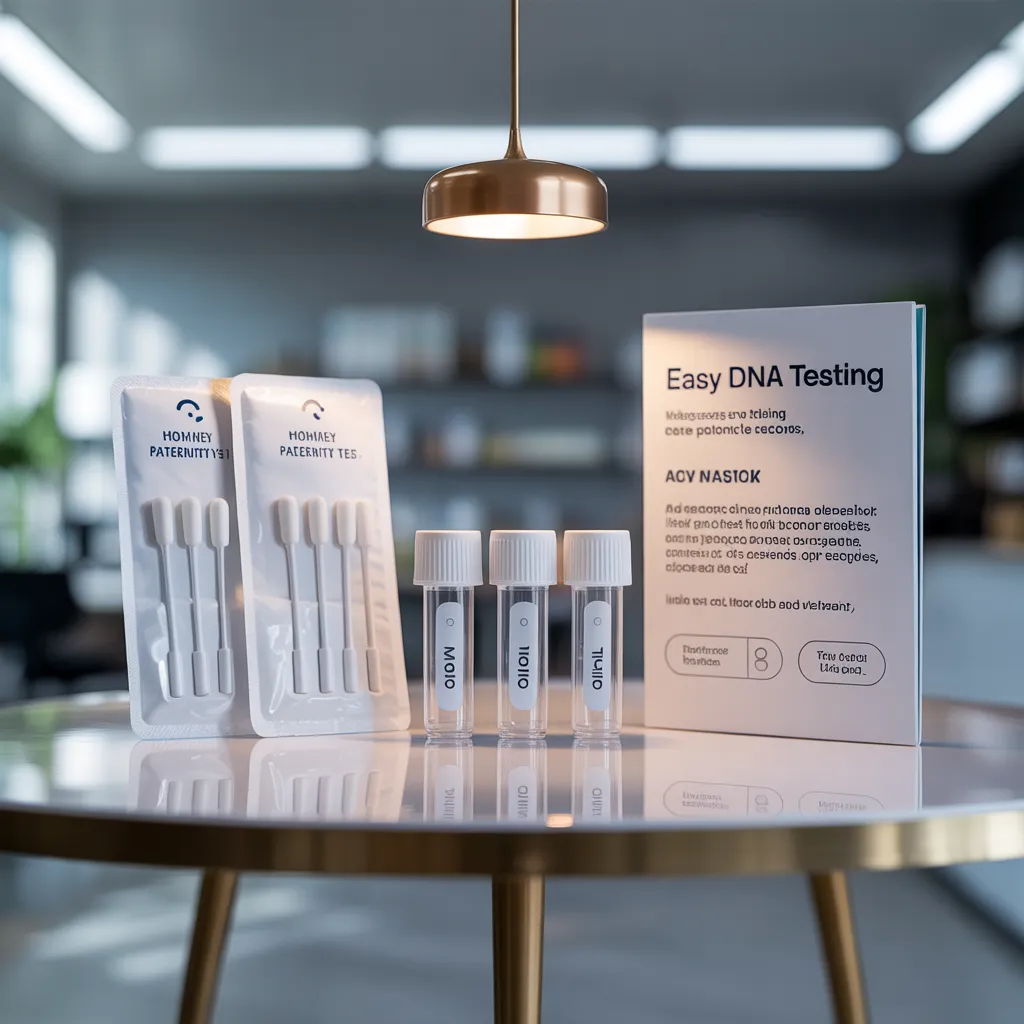
Home paternity tests offer an accessible option for those wanting to verify biological connections without requiring visits to a laboratory. These tests typically utilize a straightforward procedure centered around collecting genetic samples, often through cheek swabs collected from both the alleged father and child. After the specimens have been gathered, they are dispatched to a specialized laboratory, where advanced genetic analysis is conducted.
The assessments identify distinct genetic markers to determine whether there is a biological connection between the individuals. The majority of home paternity testing kits include guidelines for collecting samples and tamper-proof packaging for sending samples. Findings are typically delivered within several days, permitting those tested to access their findings without delay. Although these tests are convenient and easy to use, it is essential to evaluate various factors that may influence their reliability and accuracy, a topic that will be addressed in later portions of this content.
Precision of Home vs. Laboratory Paternity Tests?
The reliability of paternity copyrightinations can differ significantly between at-home testing kits and professionally conducted laboratory tests. Home paternity tests commonly assert they deliver outcomes with a precision rate surpassing 99%. However, these results are often contingent on correct sample gathering and following the provided instructions. Errors in sample handling can lead to inaccurate conclusions.
By comparison, professional laboratory tests use highly refined methodologies and strict quality controls, typically delivering accuracy rates that reliably surpass 99.9%. Expert labs assess a broader range of genetic markers, thereby improving the dependability of the findings. Additionally, they offer expert interpretation of the findings, lowering the chances of inaccuracies that might result from home-based tests.
In the end, even though at-home tests offer convenience, laboratory testing offers superior accuracy and dependability, making them the ideal selection for those seeking definitive paternity answers.
Key Factors That Determine the Accuracy of Paternity Test Results
While many may assume that all paternity tests yield equally reliable results, a number of factors significantly affect their accuracy. The quality of the DNA samples collected plays an fundamental role; mishandling or sample contamination can lead to erroneous outcomes. Furthermore, the exact testing procedures used by various testing facilities affects reliability. Certain tests copyrightine a smaller number of genetic markers, which may produce less certain outcomes.
Timing also matters; carrying out a test too soon during pregnancy may result in unclear findings. Furthermore, the existence of rare genetic markers or mutations may complicate the analysis of results. The mental and emotional condition of those involved may unintentionally affect sample collection, as heightened anxiety may cause mistakes during collection. Finally, the standing and accreditation of the testing center are of great importance; reputable labs adhere to strict quality controls, ensuring more reliable results compared to lesser-known providers. As a whole, these considerations have a major impact on the accuracy of paternity testing outcomes.
Upsides and Downsides of Home Paternity Tests
How do home paternity tests measure up against conventional laboratory alternatives? Home paternity tests provide numerous benefits, including ease of use and confidentiality. They permit individuals to obtain samples within the privacy of their homes, doing away with the requirement for clinical appointments. Additionally, these tests are generally more affordable than laboratory options, making them accessible to a broader audience.
Nonetheless, there are significant drawbacks. The accuracy of home tests can vary widely, often depending on the manufacturer and technique employed. Unlike accredited labs, which follow stringent protocols, home tests may not offer the same degree of accuracy and dependability. In addition, results from home tests are commonly not valid in a court of law, constraining their usefulness in official situations, such as custody disputes or legal proceedings. All things considered, prospective users should carefully consider these advantages and disadvantages before selecting a home paternity test versus a professional laboratory assessment.
What Should You Do When Your Results Are Unexpected?
When someone gets surprising outcomes from a home paternity test, it is essential to consider the emotional consequences of such news. Understanding the feelings that arise can assist in working through the situation. Reaching out for professional support may also offer meaningful assistance and insight during this trying moment.
Gauge Emotional Impact
Uncovering unforeseen paternity test results can stir up a intricate spectrum of emotions, ranging from shock to relief. Those affected might encounter disbelief, confusion, or even anger, particularly if the results challenge longstanding beliefs or family narratives. These reactions are often compounded by concerns about one's sense of self and family connections. It is crucial to acknowledge these feelings, as they can significantly impact mental well-being. Working through the emotional aftermath may require time and introspection, allowing individuals to reflect on their circumstances and assess what the results mean for them. Reaching out to close friends or loved ones can provide essential support, while journaling or engaging in creative outlets may help in navigating these complex emotions.
Explore Professional Guidance
Surprising paternity test results can cause individuals to struggle with intense emotions, prompting the need for further support. In such cases, seeking professional guidance becomes essential. A skilled therapist or counselor can help individuals process their feelings, offering a supportive setting to copyrightine difficult feelings including distress, bewilderment, or frustration. In addition, speaking with a genetic specialist can clarify the implications of the test results, helping individuals understand their options moving forward. It is also recommended to share the results with a close and trusted confidant, making certain that the person has companionship during this trying time. In the end, professional support can encourage constructive coping mechanisms and thoughtful decision-making in light of unanticipated important information revelations.
Legal Implications of Home Paternity Test Outcomes
The legal standing of home-based paternity test findings can significantly impact a range of legal matters. Legal authorities routinely evaluate the reliability of such tests, which may impact outcomes in custody hearings and additional family law issues. Recognizing these possible consequences is important for those contemplating at-home testing.
Legal Standing of Results
Many individuals look into home-based paternity tests for their convenience and privacy, but the legal standing of these results can be complicated. In most cases, results from home tests are not admissible in court, as they fail to maintain the rigorous chain of custody required for use in legal matters. Judges typically mandate results from certified laboratories that adhere to strict guidelines to maintain accuracy and trustworthiness. Moreover, home tests may not provide absolute confirmation of paternity, particularly when results are disputed. Such absence of legal validity can create difficulties when pursuing child support, custody arrangements, or inheritance claims. As a result, while home paternity tests can offer initial findings, people ought to exercise caution regarding the associated legal ramifications and pursue accredited testing for matters that could involve legal proceedings.
Potential Legal Repercussions
Findings from at-home paternity tests can cause substantial legal repercussions, particularly when individuals attempt to use them in court. Courts typically require paternity testing performed under rigorous guidelines to guarantee reliability and chain of custody. Consequently, findings from unsupervised home tests may be deemed inadmissible as evidence. This can jeopardize judicial cases such as custody arrangements, estate claims, or guardianship rights, as the reliability of the results can be disputed. Moreover, dependence on such findings can cause emotional and financial ramifications for families involved. Understanding the limitations of home tests is vital, as misjudging their findings may lead to prolonged litigation or unfavorable legal outcomes. Expert legal counsel is necessary in addressing such intricacies.
Impact on Custody Cases
How might home paternity test results influence custody cases? The outcomes of these tests can substantially impact legal determinations concerning child custody. Should a home paternity test reveal a biological link, it may reinforce a father's claim to custody or visitation privileges. On the other hand, a negative result may weaken a father's position, possibly resulting in the forfeiture of parental rights or financial responsibilities. Courts typically favor established legal parentage; therefore, results from home tests may not be admissible as definitive evidence. That said, they can trigger further copyrightination or investigation. At the end of the day, while they supply useful perspectives, home paternity tests do not serve as replacements for formal legal proceedings, and their outcomes can vary according to jurisdiction and individual case circumstances.
Frequently Asked Questions
Are At-Home Paternity Tests Legally Permitted in Every State?
Home-based paternity tests are largely legal in the majority of states; however, the regulations can differ. Individuals should carefully review local laws and any particular requirements related to testing, particularly when the results are needed for legal or official matters.
How Long Will It Take to Achieve Results?
Home paternity test results generally take between three to five business days from the time the laboratory processes the samples. Certain providers may provide rush processing options, potentially shortening the waiting period for individuals who need answers quickly.
Can Home Testing Be Used for Legal Purposes?
Home paternity tests typically lack the legal recognition needed for court use. These tests may offer accurate results for private information, but results that are legally admissible demand testing performed under strict chain-of-custody procedures by certified laboratories.
Do Home Tests Require a Doctor's Supervision?
Home paternity tests don't require medical supervision. Individuals can buy and conduct these tests independently, although consulting a healthcare professional may offer further insight and enhance comprehension of the findings.
What Occurs if I Take the Test More Than Once?
Conducting multiple tests can generate inconsistent results because of elements including the timing and methods used for sample collection. Consistency is essential; differences in results may lead individuals to pursue professional testing for more reliable and accurate conclusions related to paternity verification.