Home Paternity Test: Accurate DNA Testing for Personal Answers
How Accurate Are Home Paternity Tests? A Deep Dive
Home-based paternity tests have become increasingly popular due to their convenience and accuracy rates that reportedly exceed 99%. Yet, their accuracy relies on a number of important factors, including sample collection and testing methods. Even though these tests deliver discretion and affordability, they could fall short of meeting legal requirements. Grasping the complexities surrounding these tests is crucial, most notably when surprising outcomes emerge. The course of action that follows can have a profound effect on personal connections and legal concerns.
What Are At-Home Paternity Tests and How Are They Used?
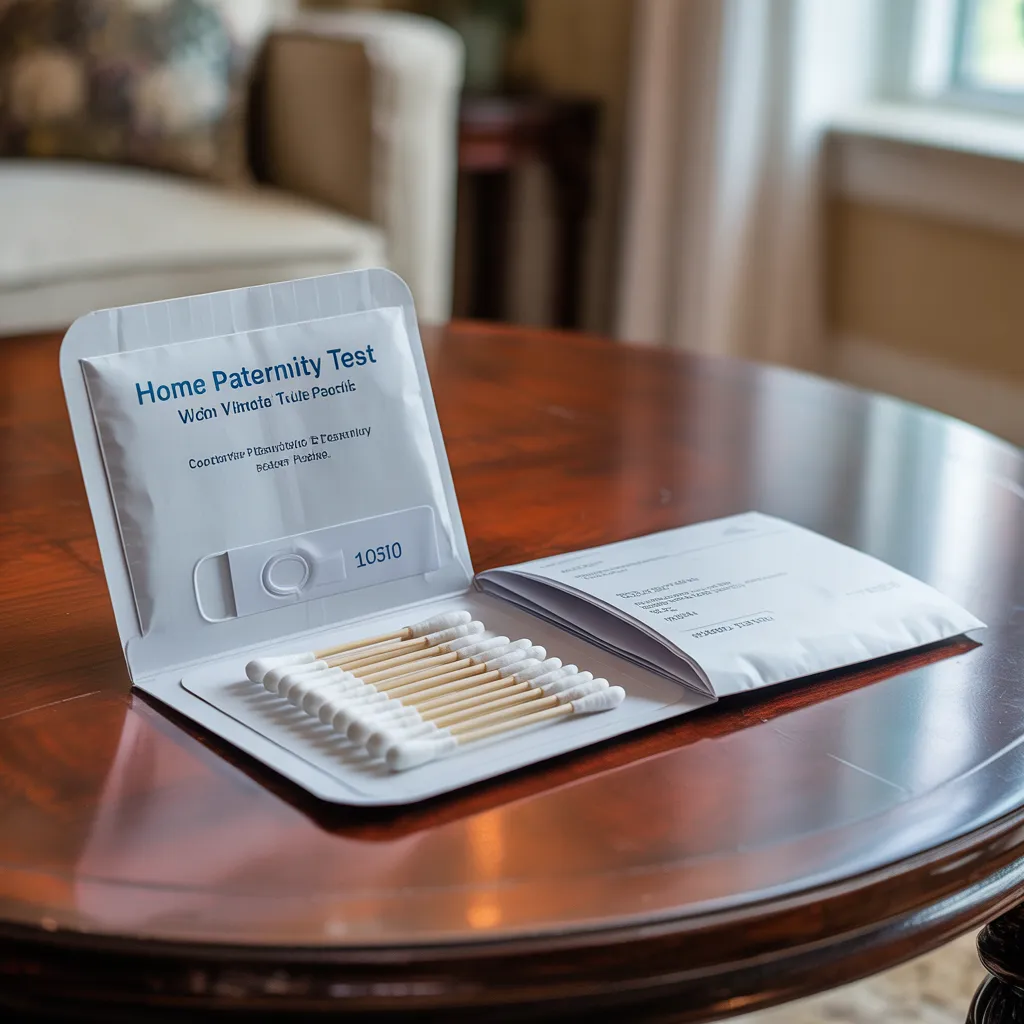
At-home paternity tests provide an accessible option for individuals seeking to establish biological ties without having to visit a testing facility. Such tests commonly employ a straightforward procedure involving the collection of DNA samples, commonly via oral swabs taken from the prospective father and the child. When the samples have been obtained, they are dispatched to a specialized laboratory, where advanced genetic analysis is conducted.
These tests examine distinct genetic markers to determine whether there is a biological connection between the people being tested. The majority of home paternity testing kits include guidelines for collecting samples and tamper-proof packaging for sending samples. Results are usually available within a few days, permitting those tested to access their findings without delay. While these tests are accessible and user-friendly, it is critical to consider multiple aspects that might impact their consistency and trustworthiness, which will be explored in subsequent sections.
Precision of Home vs. Laboratory Paternity Tests?
The accuracy of paternity tests may vary substantially between consumer testing kits and tests performed in certified laboratories. At-home paternity tests generally claim to provide results with an accuracy rate exceeding 99%. However, these results are often contingent on proper sample collection and adherence to instructions. Errors in sample handling can lead to inaccurate conclusions.
In contrast, lab tests utilize advanced methodologies and rigorous quality controls, typically delivering accuracy rates that reliably surpass 99.9%. Expert labs assess a broader range of genetic markers, which significantly strengthens the consistency of the results. Additionally, they deliver specialized evaluation of the data, minimizing the risk of misinterpretation that may occur with home tests.
Ultimately, although at-home tests offer convenience, laboratory tests deliver a higher level of accuracy and reliability, making them the preferred option for those seeking definitive paternity answers.
Factors That Affect the Accuracy of Paternity Test Results
While many may assume that all paternity tests deliver the same level of reliability, a number of factors significantly affect their accuracy. The condition of the collected DNA samples plays an essential role; mishandling or sample contamination can lead to inaccurate results. Additionally, the particular testing methods utilized by various testing facilities impacts dependability. Certain tests examine a smaller number of genetic markers, which may result in less definitive conclusions.
Timing plays a significant role as well; performing a test during the early stages of pregnancy can produce inconclusive results. helpful information Furthermore, the existence of rare genetic markers or mutations may complicate the analysis of results. The emotional state of individuals involved can inadvertently impact sample collection, as anxiety may lead to errors. In addition, the credibility and accreditation of the testing lab play a vital role; well-established laboratories follow rigorous quality standards, producing more dependable results than lesser-known facilities. As a whole, these considerations have a major impact on the accuracy of paternity testing outcomes.
Pros and Cons of Home Paternity Tests
How do home paternity tests stack up against traditional laboratory options? Home paternity tests offer several advantages, including convenience and privacy. They allow individuals to collect samples in the comfort of their homes, eliminating the need for medical appointments. Additionally, these tests are generally more affordable than laboratory options, making them accessible to a broader audience.
Nevertheless, there are notable drawbacks. The exactness of home tests can differ significantly, often depending on the brand and testing method. Unlike certified laboratories, which follow stringent protocols, home tests may lack the same level of precision and reliability. In addition, results from home tests are generally not legally admissible, limiting their use in formal situations, such as legal disputes or custody hearings. All things considered, individuals should thoroughly evaluate these benefits and drawbacks before deciding on a home paternity test versus a conventional lab test.
How Should You React If Your Results Come as a Surprise?
When individuals receive unexpected results from a home paternity test, it is essential to consider the emotional consequences of these results. Acknowledging the feelings that emerge can aid in navigating the circumstances constructively. Consulting a professional may also provide valuable support and clarity during this difficult period.
Measure Emotional Impact
Uncovering surprising paternity test results can bring about a intricate spectrum of emotions, spanning from disbelief to acceptance. People often feel shock, uncertainty, or frustration, particularly if the results conflict with longstanding beliefs or family narratives. These reactions are often intensified by concerns about one's sense of self and family connections. It is crucial to recognize these emotions, as they can profoundly influence mental well-being. Navigating the psychological impact may require patience and self-reflection, giving people the opportunity to evaluate their circumstances and think about the meaning of the findings. Turning to reliable friends or family can provide essential support, while journaling or engaging in creative outlets may help in steering through these challenging feelings.
Consult Professional Guidance
Unexpected paternity test results can result in individuals dealing with profound emotions, prompting the need for further support. In such instances, consulting a professional becomes a necessary step. A certified mental health professional can assist individuals in working through their emotions, offering a supportive setting to examine complex emotions such as confusion, anger, or disbelief. Furthermore, speaking with a genetic specialist can shed light on what the test results mean, enabling individuals to make informed decisions about next steps. It is also wise to discuss findings with a trusted family member or friend, making certain that the person has companionship during this trying time. At the end of the day, professional support can encourage constructive coping mechanisms and thoughtful decision-making in light of surprising revelations.
Legal Consequences of Home Paternity Test Results
The legal standing of at-home paternity test results can significantly impact numerous legal processes. Legal authorities routinely evaluate the validity of these assessments, which may influence rulings in custody disputes and additional family law issues. Being aware of these potential impacts is essential for those contemplating at-home testing.
Legal Status of Results
A large number of people consider home-based paternity tests for the privacy and convenience they offer, but the legal validity of these findings can be complex. Typically, home test results are not admissible in court, as they do not meet the strict chain of custody requirements required for legal purposes. Judges typically mandate results from accredited laboratories that adhere to strict guidelines to ensure precision and dependability. Additionally, home tests may not provide conclusive paternity evidence, most notably when findings are challenged. Such absence of legal validity can create difficulties when attempting to establish child support, custody, or inheritance entitlements. Consequently, while home-based paternity tests are capable of offering early indications, people ought to exercise caution regarding the associated legal ramifications and consider formal testing for any potential legal matters.
Potential Legal Repercussions
Outcomes from residential paternity tests can lead to considerable legal consequences, particularly when people try to present them as court evidence. Judicial systems generally mandate paternity testing carried out under precise standards to ensure accuracy and evidence integrity. As a result, results from unregulated home tests may be ruled unacceptable as legal proof. This can hinder judicial cases such as custody arrangements, estate claims, or guardianship rights, as the validity of the tests can be contested. Moreover, reliance on these results can lead to emotional and financial ramifications for the affected families. Grasping the constraints of home tests is critical, as incorrect reading of their results may cause extended legal battles or adverse judicial decisions. Professional legal advice is essential in navigating these complexities.
Effect on Custody Cases
How might home paternity test results influence custody cases? These test results can significantly influence legal rulings related to child custody. When a home paternity test indicates a biological connection, it may strengthen a father's claim for custody or visitation rights. Conversely, a negative result can undermine a father's case, potentially leading to the loss of parental rights or financial obligations. Courts commonly copyright established legal parentage; consequently, results from home tests may not qualify as definitive proof. However, they can prompt further testing or investigation. At the end of the day, while they supply useful perspectives, home paternity tests do not serve as replacements for formal legal proceedings, and their outcomes can vary according to jurisdiction and individual case circumstances.
Answers to Your Most Common Questions
Is It Legal to Use Home Paternity Tests in All States?
At-home paternity tests are typically legal across most states; though the rules and requirements may vary. Individuals should carefully review local laws and any particular requirements related to testing, especially for legal or official purposes.
How Long Will It Take to Achieve Results?
Results from home paternity tests typically take between three to five business days once the lab has received the samples. Some companies may offer expedited options, potentially reducing the wait time for anxious individuals seeking answers.
Can Home Testing Be Used for Legal Purposes?
At-home paternity tests typically lack the legal standing required for court use. Such tests can deliver precise results for personal knowledge, but results accepted in a court of law demand testing performed under strict chain-of-custody procedures by accredited laboratories.
Do At-Home Tests Need a Doctor's Oversight?
Home paternity tests require no a doctor's supervision. Consumers can buy and conduct these tests independently, although seeking advice from a healthcare provider may offer further insight and enhance comprehension of the findings.
What Happens if I Test Multiple Times?
Performing repeated testing may produce different outcomes because of elements including collection techniques and the timing of samples. Being consistent is critical; inconsistencies may encourage people to seek clinical testing for more trustworthy and definitive results related to paternity verification.