Top Paternity Test Kits for DNA Confirmation
Is a Home Paternity Test Suitable for You? Benefits and Drawbacks
The decision to use a home paternity test is multifaceted. It delivers accessibility and confidentiality, drawing in those who desire swift conclusions. Still, the likelihood of inaccuracies and emotional repercussions can create further complications. Moreover, such tests hold no legal standing, prompting concerns regarding their validity. Grasping these considerations is of utmost importance. What might be the best course of action for individuals facing such dilemmas?
Understanding How Home Paternity Tests Work
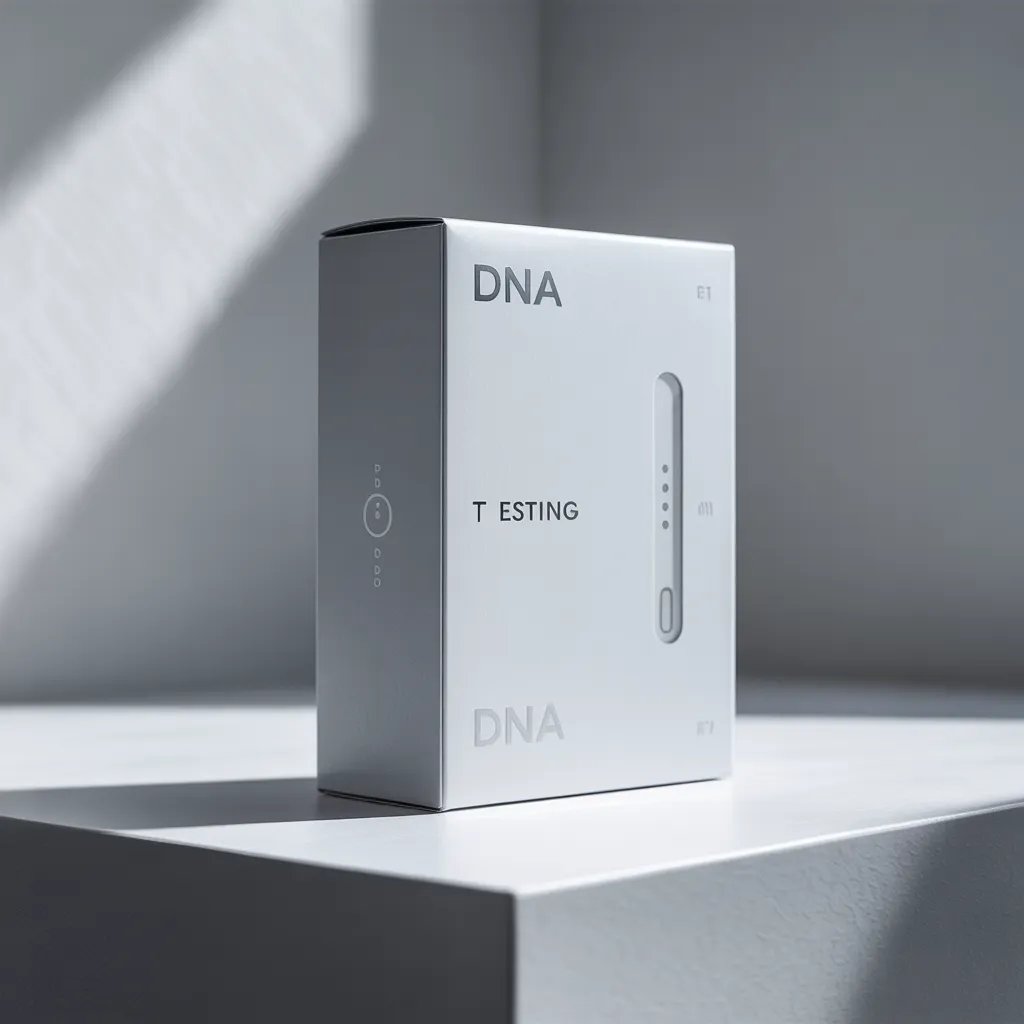
Home paternity tests simplify the process of determining genetic connections through a simple process. In most cases, these tests include obtaining DNA material from the people being tested, usually through cheek swabs. Users follow the provided instructions to ensure accurate specimen collection and management. Once samples are secured, they are dispatched to a designated laboratory for examination.
Within the laboratory, DNA is isolated and analyzed to evaluate biological connections. The examination procedure leverages sophisticated technology to identify markers that indicate a biological relationship. Results are usually available within a few days, offering answers to individuals questioning biological ties.
Whereas home paternity tests deliver ease of use and privacy, it is critical for people to understand that these tests are intended for informational purposes and may not be recognized in legal proceedings. Those seeking formal results for legal proceedings may need to pursue accredited testing through certified facilities.
The Key Benefits of At-Home Paternity Testing
Why choose a home-based paternity test? A growing number of people appreciate the accessibility and confidentiality that these tests present. Paternity testing at home facilitates confidential sample gathering, usually involving basic cheek swabs, which can be done without the need for a medical professional. This accessibility simplifies the process for individuals to obtain findings at a comfortable pace and in the comfort of their own home.
Furthermore, home tests are often more budget-friendly in comparison to laboratory tests, making them a desirable option for those looking to save money. The turnaround time for results is typically speedier, generally offering answers within a matter of days.
Moreover, these tests can alleviate personal uncertainty by offering clarity regarding paternity, which can be vital for personal relationships and legal matters. All in all, at-home paternity tests offer a reliable solution for individuals seeking answers while avoiding the complexities of formal testing facilities.
The Pitfalls of Home-Based Paternity Testing
Although home paternity testing offers considerable convenience, important risks must be carefully considered. A primary concern involves the reliability of test results. At-home tests frequently fall short of the stringent quality benchmarks upheld by certified laboratories, which can result in inaccurate positive or negative outcomes. Additionally, improper sample collection can compromise the results, as contamination or inadequate handling might skew findings.
Another risk involves privacy and data security. Many home testing kits require users to submit personal information, which may be susceptible to breaches or unauthorized use. Furthermore, individuals may face unexpected emotional consequences, since results may trigger family disputes or emotional distress.
Additionally, the legal considerations of home tests should be carefully examined. Outcomes from these tests are often not accepted as legal evidence, reducing their utility in legal situations. Ultimately, while home paternity testing delivers convenience, the accompanying concerns require careful thought.
Legal and Emotional Factors in Paternity Testing
Understanding the emotional and practical considerations of paternity assessment is crucial for see the details those thinking about a home-based test. The emotional fallout from discovering unforeseen results can be far-reaching, straining family bonds between parents, children, and relatives. Individuals must prepare for potential feelings of stress, anger, or uncertainty that may stem from the paternity test findings.
From a legal standpoint, the ramifications can also be significant. Home paternity test results may be inadmissible in court, which could complicate custody or child support proceedings. Consequently, those considering such tests should consult legal professionals to understand their options and rights fully. Additionally, determining paternity can create legal obligations concerning child support and inheritance, adding another layer of complexity. Ultimately, informed consideration of both emotional and legal aspects is critical to guiding the potential consequences of paternity testing effectively.
Could a Home Paternity Test Be Right for You?
Deciding if a home paternity test is suitable necessitates a thorough assessment of multiple considerations. Individuals contemplating this option should carefully assess their reasons, as the emotional impact can be considerable. Home testing provides both convenience and discretion, but it lacks the legal standing of laboratory tests, which are often required for custody or support cases.
In addition, accuracy is an important consideration; while most home testing options are dependable, variations in results can happen. Individuals should also weigh the possible effects on family relationships, as findings can produce unforeseen outcomes. Furthermore, the financial value of home testing should be evaluated against the likely necessity of additional professional testing.
Ultimately, a thoughtful consideration of personal circumstances, emotional readiness, and long-term implications is necessary. Speaking with a specialist may help clarify the situation, helping individuals make an informed decision about whether a at-home paternity test aligns with their needs.
Frequently Asked Questions
How Reliable Are Home Paternity Tests When Compared to Laboratory Tests?
Residential paternity tests typically offer accuracy rates exceeding 95%, similar to laboratory tests. That said, elements such as specimen quality and testing methods can influence results. To obtain conclusive results, certified lab analysis remains the gold standard.
Is the Privacy of Home Paternity Test Results Reliable?
Faith in the privacy of at-home paternity test results varies by company. Trustworthy providers enforce strict confidentiality measures, but people should examine practices and user reviews to ensure private data remains protected throughout the process.
What Is the Typical Cost of Home Paternity Tests?
Home paternity tests typically range from $100 to $500, depending on the provider and the complexity of the test. Additional costs may arise for rush results or specialized testing options, impacting the overall expense.
How Long Will It Take to Obtain Results From a Home Test?
Home paternity test results are typically available in anywhere from three to seven days. Certain laboratories can offer accelerated testing options, yielding results in as few as one or two days, depending on how quickly the laboratory processes samples.
Is Home Paternity Testing Legal in Every State?
Home paternity tests are generally legal in all states; however, specific regulations and guidelines may vary. It's essential for individuals to verify local laws and confirm compliance with any necessary legal procedures before proceeding.