Top Rated Thumb Stabilizer
Exploring Thumb Injuries: How Orthopaedic Supplies Aid in Recovery
Thumb-related injuries can significantly affect everyday tasks and overall quality of life. Understanding the types and symptoms of these injuries is vital for effective healing. Accurate diagnosis is key, as it determines available treatment approaches. Additionally, the importance of orthopaedic supplies during recovery is not to be underestimated. Various products provide necessary support. Yet, many individuals overlook critical aspects of prevention and rehabilitation. Examining these factors can lead to a well-rounded approach to thumb health.
Key Types of Thumb Injuries Worth Knowing About
Thumb injuries are surprisingly common and can greatly impact daily activities. Of the many types of thumb injuries, sprains are particularly common, frequently caused by overstretching or twisting the thumb ligament. Breaks, especially of the proximal phalanx, may result from falls or direct impact, causing considerable pain and reduced function. Another common injury is tendonitis, typically resulting from repetitive motion, which can cause inflammation and discomfort. Gamekeeper's thumb, a specific type of ligament injury, arises from excessive force on the thumb's ulnar collateral ligament, frequently seen in sports activities. Dislocations can also take place, resulting in the thumb becoming misaligned and requiring prompt medical care. A thorough understanding of these common thumb injuries is key to effective prevention and care, allowing individuals to preserve their daily activities with minimal impact.
How to Identify Signs of a Thumb Injury
What are the ways to recognize a thumb injury? Identifying the signs early is essential for prompt treatment. Frequent symptoms include discomfort centered around the thumb joint, that often increases with motion. Swelling and bruising often accompany the injury, resulting in a visible difference between the injured and healthy thumb. Restricted movement is another key symptom; the affected individual may have trouble bending or straightening the thumb entirely. Moreover, a snapping or grating sensation while moving the thumb can point to ligament damage. Tenderness upon touch is also a key indicator, indicating that the affected area is irritated or harmed. In some cases, the thumb may appear deformed or misaligned, especially in more serious cases. Recognizing these indicators can direct individuals to obtain proper medical assistance, guaranteeing adequate treatment and recovery. Early identification is key to a successful rehabilitation outcome.
The Importance of Accurate Diagnosis for Thumb Injuries
Accurate diagnosis of thumb injuries is critical, as it directly influences the treatment approach and healing results. Inaccurate assessment can lead to inappropriate treatments, potentially aggravating the condition or extending the healing period. For illustration, telling apart a sprain and a fracture is imperative; each requires distinct treatment approaches. A thorough examination, often involving diagnostic imaging like X-rays or MRIs, confirms that the underlying issue is correctly identified.
In addition, identifying the degree of the injury aids in organizing the necessary orthopedic equipment, such as supportive devices or splints, which facilitate recovery. Early and precise identification can also reduce prolonged problems, such as chronic pain or loss of function. As a result, medical practitioners must concentrate on accurate assessments to enhance recuperation and reinstate entire thumb movement efficiently.
Successful Rehabilitation Approaches for Thumb Injuries
Successful rehabilitation approaches for thumb injuries depend on prompt medical attention, which can substantially affect recovery outcomes. Personalized therapeutic exercises play an critical role in recovering mobility, while the use of supportive braces can provide crucial stability during the healing process. Understanding these components can enable a more successful recovery journey for individuals suffering from thumb injuries.
Significance of Early Intervention
Prompt intervention is vital for the best recovery from thumb injuries, as early rehabilitation can greatly influence healing outcomes. Prompt care for thumb injuries decreases the chance of complications, view this such as stiffness or chronic pain. An early assessment by a healthcare professional allows for the proper identification of the injury's severity and the creation of a suitable recovery strategy. This proactive approach not only enhances the healing process but also promotes optimal function recovery, minimizing the risk of permanent impairment. Applying prompt rehabilitation methods can contribute to better range of motion and muscle strength, which are fundamental for routine functions. Consequently, prioritizing swift action is essential for achieving the best possible results in thumb injury recovery.
Personalized Rehabilitation Exercises
Therapeutic exercises tailored specifically for thumb injuries play a critical role in regaining function and mobility. These movements concentrate on building strength in the muscles and tendons around the thumb, which often lose strength following an injury. Slow, deliberate movements including thumb flexion, extension, and opposition work to increase range of motion and minimize stiffness. In addition, fine motor skills may be improved through exercises like handling small objects or squeezing putty. Consistency in these exercises is crucial; they should be integrated into daily routines to maximize recovery outcomes. By tailoring rehabilitation programs, therapists can effectively respond to individual patient requirements, ensuring a more effective recovery process. In the end, these personalized approaches play a significant role in restoring complete function and reducing the risk of future injuries.
The Use of Orthopaedic Supports
Numerous studies highlight the importance of orthopaedic supports in the treatment of thumb injuries. These devices, such as splints and braces, deliver stability and protection, allowing for proper healing while minimizing pain and inflammation. By limiting unnecessary motion, orthopaedic supports aid the healing process and minimize the likelihood of subsequent injury. They are particularly beneficial during the initial phases of rehabilitation, guaranteeing that the affected area receives sufficient support. Additionally, these devices can enhance the effectiveness of therapeutic exercises by supporting appropriate biomechanics during activity. In conclusion, orthopaedic supports represent an essential element in a complete rehabilitation strategy, helping individuals regain function and strength in the thumb more effectively.
How to Apply Orthopaedic Supplies for Optimal Recovery
Utilizing medical supplies plays an essential role in the healing journey following thumb-related injuries. These medical supplies, including braces and splints, offer stabilization while limiting movement, which is critical for proper healing. Correct application of these supportive devices ensures that the thumb is adequately supported, reducing strain on injured ligaments and muscles.
Users should follow particular instructions for use, such as wearing the brace for prescribed durations and adjusting it for comfort without reducing its effectiveness. Furthermore, including suggested physical exercises once the initial healing phase is complete can improve the healing process.
Assessing the state of the thumb is vital; any signs of heightened pain or swelling should lead to a visit to a qualified healthcare provider. Furthermore, keeping hygiene around the orthopaedic supplies is crucial to reduce the risk of infection. All in all, a structured method of employing orthopaedic devices can greatly facilitate effective recovery from thumb injuries, enabling a restoration of normal function.
Top Orthopedic Supports for Thumb Care
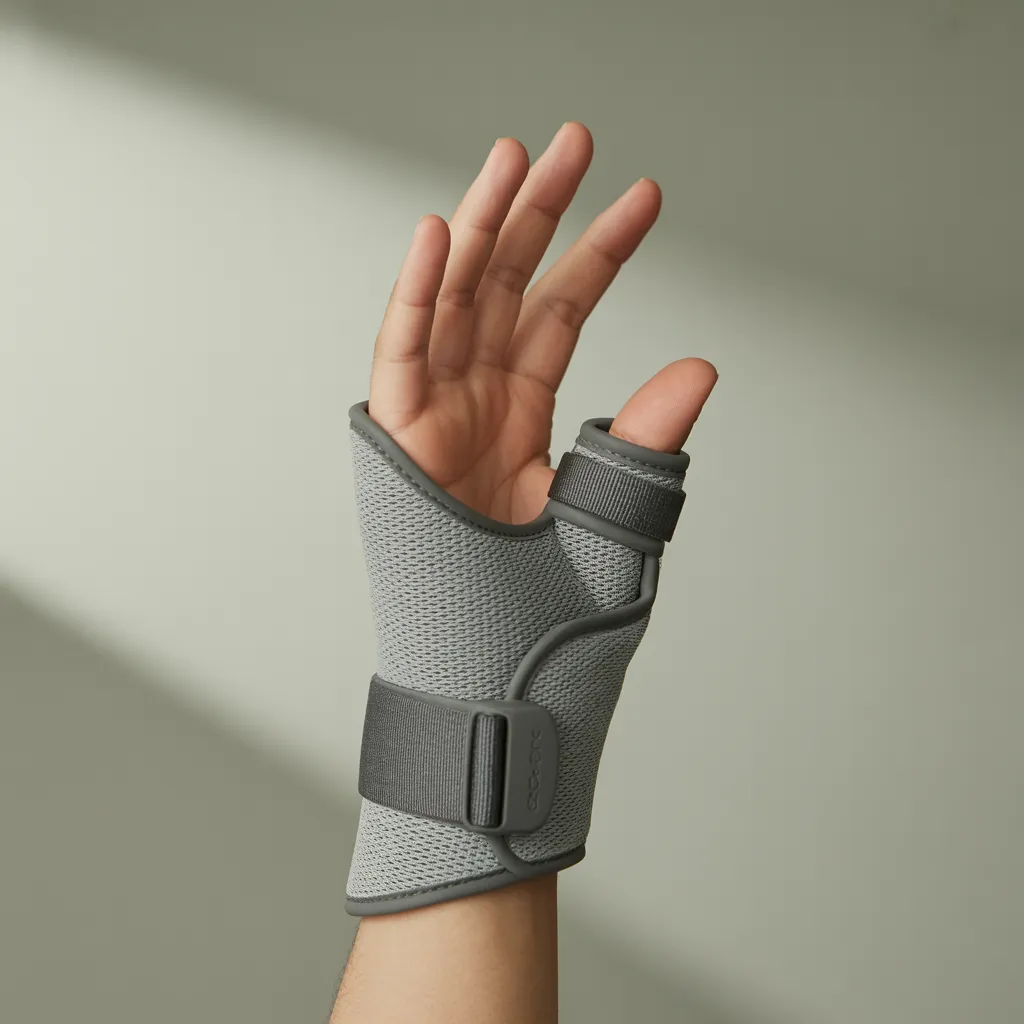
Finding the right orthopaedic products for thumb support plays a major role in rehabilitation and performance after sustaining an injury. Essential products include thumb splints, which restrict joint movement to minimize pain and protect against further harm. Such splints typically incorporate adjustable straps to ensure a tailored fit, improving overall comfort throughout the recovery process.
A further key option is the thumb stabilizing brace, crafted to offer stability while still permitting some degree of movement. This can be notably advantageous for those looking to keep up with their routine activities. Additionally, gel padding cushions can supply supplementary padding and coverage, decreasing the strain on affected areas.
Thermal and cold therapy wraps are also highly useful, as they help reduce swelling and enhance blood flow. Furthermore, kinesiology tape is a widely preferred solution for providing thumb support while allowing continued movement. Selecting the appropriate combination of these products can play a major role in achieving a fast and thorough recovery from thumb injuries.
Ways to Prevent Future Thumb Injuries
Even though thumb injuries can arise suddenly, adopting precautionary steps can considerably minimize the chances. To begin, people should perform appropriate stretching exercises before participating in activities that place strain on the thumb, such as sports or manual labor. Using protective equipment, including thumb braces or protective guards, can offer extra cushioning and stability during high-risk activities.
In addition, keeping good ergonomic practices while using tools or devices is important. This includes utilizing adaptive equipment specifically designed to reduce thumb strain. Scheduled breaks during repetitive tasks can also aid in relieving strain on the joints of the thumb.
Education on proper techniques for gripping and lifting objects can additionally reduce the risk of injury. Finally, developing the nearby muscle groups through focused workouts can boost the overall stability of the thumb. By implementing these approaches, patients can considerably decrease the chances of experiencing future thumb problems, encouraging sustained joint health and mobility.
Answers to Your Most Common Questions
What Are the Most Common Causes of Thumb Injuries?
Thumb-related injuries are mainly caused by sports-related incidents, repetitive strain, falls, or machinery accidents. Such causes frequently result in fractures, sprains, or tendon injuries, significantly impairing thumb function and general hand movement.
What Is the Typical Recovery Time for a Thumb Injury?
Recuperation from a thumb injury can span from a few weeks to several months, based on how severe the injury is and the person's general health condition. Rehabilitation plays an essential role in restoring function and strength.
Are Thumb Injuries Seen More Often in Particular Sports?
Thumb injuries are particularly prevalent in high-impact sports like hockey, football, and basketball, where the likelihood of falls, collisions, or impacts is significantly higher. Additionally, sports requiring gripping and throwing can also play a role in causing such injuries.
Can Thumb Injuries Lead to Long-Term Complications?
Thumb injuries may result in long-term complications, such as chronic pain, reduced mobility, and joint instability. Timely diagnosis and effective treatment are necessary to minimize these risks and ensure the most favorable recovery for individuals impacted.
When Should I See a Doctor for a Thumb Injury?
Medical attention should be sought for a thumb injury when experiencing intense pain, pronounced swelling, restricted thumb movement, apparent deformity, or indications of infection. Early medical evaluation can reduce the risk of complications and promote effective healing.